
For those who appreciate the craft of premium cigars — from their construction and aging to the ritual of cutting and lighting — the question “Can you bring cigars on a plane?” is both practical and nuanced. Whether preparing for a long-haul vacation, importing rare blends, or simply wishing to enjoy familiar smokes at the other end of a business trip, there are intersecting layers of traveling with cigars airline rules, customs rules for cigars, and logistical considerations that merit careful attention. This article provides a thorough, granular overview of regulations, recommended practices, and data-informed guidance for transporting cigars by air across domestic and international borders.
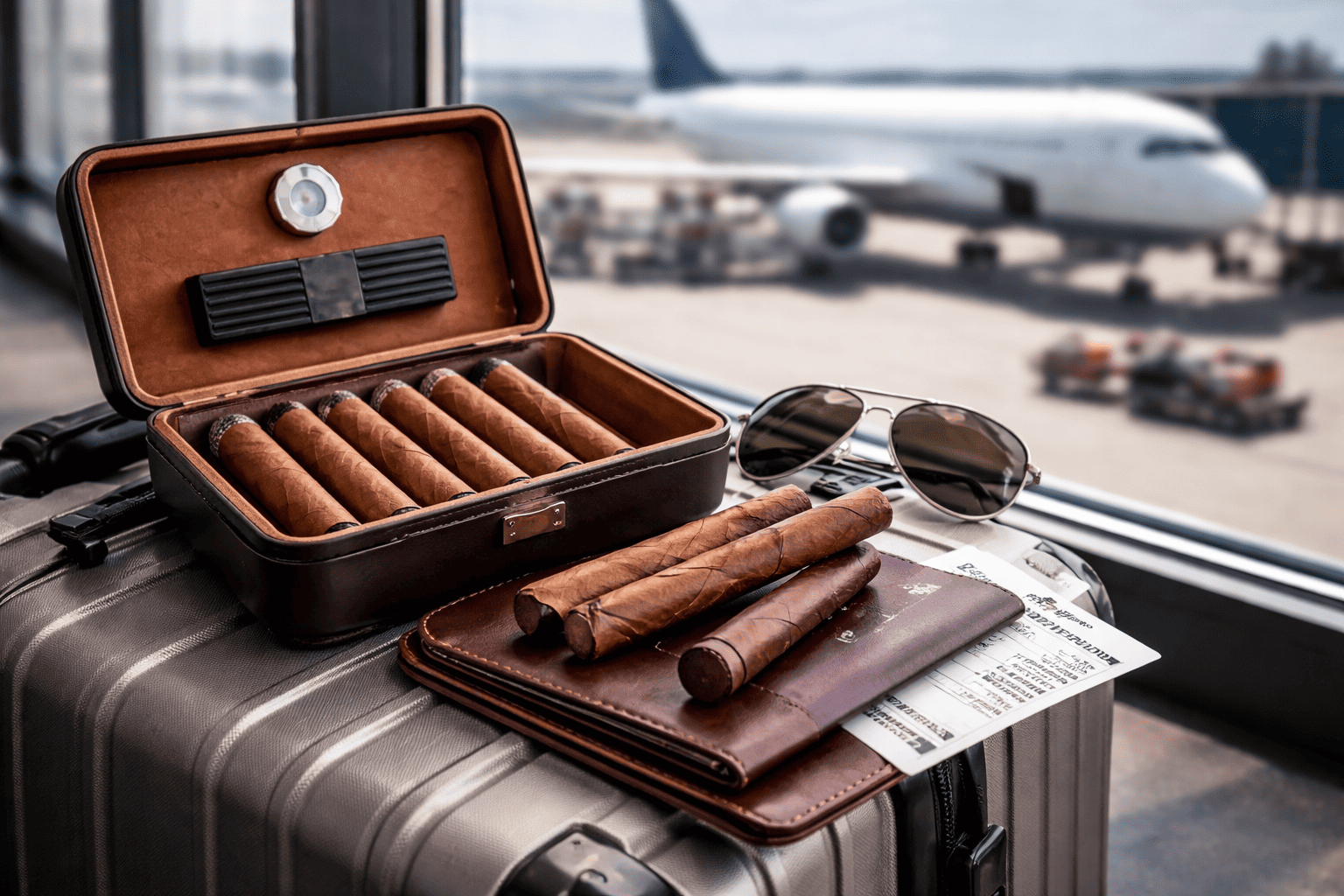
The transportation of cigars on aircraft is permitted in most jurisdictions, including under the Transportation Security Administration (TSA) cigar restrictions in the United States and similar aviation security regimes globally. At the same time, customs rules for cigars can vary significantly from one country to the next, especially when crossing international borders. Experienced travelers balance regulatory awareness with quality preservation techniques, ensuring their cigars arrive intact and compliant.
Aviation Security Regulations: What the TSA and International Airports Say
Across the aviation security landscape, cigars are generally treated as inert, non-hazardous items similar to other forms of tobacco. As a result, most major carriers and security authorities allow passengers to carry cigars both in carry-on baggage and checked luggage.
TSA and Domestic Security Guidelines
In the United States, the TSA explicitly permits cigars in both carry-on bags and checked baggage. According to the TSA’s own guidelines, cigars are allowed in carry-on bags: Yes and checked bags: Yes. The final decision on whether a particular item is permitted through the checkpoint rests with the TSA officer, but the baseline policy positively includes cigars.
Aviation security screenings in Europe and other jurisdictions follow similar protocols: cigars pass through X-ray scanners just like any other packaged item and are typically not flagged unless accompanied by questionable accessories or prohibited liquids.
Carry-On vs Checked Baggage
Each approach has practical considerations rooted in physics and cargo handling realities.
- Carry-On Bags: Carrying cigars in cabin luggage keeps them in a relatively stable temperature and humidity environment. Exposure to the temperature fluctuations and pressure changes in a plane’s cargo hold can dry out or crack wrappers on premium sticks.
- Checked Bags: Larger quantities, such as multiple boxes or full humidors, often reside in checked luggage due to space constraints. A sturdy travel humidor can mitigate temperature effects, but there is inherent risk due to baggage handling and hold conditions.
In both cases, dry cabin air, pressure changes, and mechanical stress during transport necessitate proper packing cigars for travel to preserve their character.
Accessories: Cutters and Lighters
While cigars themselves are permitted under standard aviation security rules, accessories have their own policies.
- Cigar Cutters: Handheld cutters without long blades, such as punch or small guillotine styles, are typically allowed in carry-on baggage, but security officers may exercise discretion if an item appears sharp. Packing them in checked baggage reduces the risk of confiscation.
- Lighters: Disposable or Zippo-style lighters with absorbed fuel generally are allowed in carry-ons, but torch lighters, jet flame devices, and any lighter with unabsorbed fuel are prohibited both in carry-on and checked luggage.
The presence of these accessories is relevant to travelers because improper packing can draw additional scrutiny at security checkpoints.
International Travel: Customs and Duty Considerations
Flying internationally introduces another layer. Beyond security screening, travelers are subject to customs regulations of the destination and return country. These rules govern not only entry but also duty-free allowances and reporting obligations.
United States Customs
For travelers entering the United States, customs authorities permit a set limit of tobacco products, typically 100 cigars per adult returning from abroad without incurring duty, alongside other allowances such as up to 200 cigarettes. Exceeding these amounts can trigger duty obligations or confiscation if not properly declared.
The principle is clear: travelers should know their customs rules for cigars before returning to the U.S. after an international trip, especially if they have acquired premium cigars abroad.
European Union Allowances
Within the European Union, duty-free allowances differ slightly, with typical allowances including 50 cigars for travelers coming from outside the EU. These allowances are part of a broader regime that also includes cigarettes and tobacco products, with varying limits depending on country and travel pattern.
When planning to bring cigars into the EU, travelers must be mindful of these duty thresholds. Exceeding them without proper declarations may lead to tariffs or confiscation.
Other Countries
In Australia, travelers are limited to 25 grams of tobacco products, which equates approximately to one large cigar or two smaller ones, unless the traveler declares and pays duty on a larger amount.
These regulations vary widely across countries. For instance, some Caribbean destinations have more generous duty-free allowances, while certain Asian nations permit only small quantities or require specific declarations.
In all cases, understanding customs rules for cigars and preparing proper documentation, including receipts and original packaging, reduces the risk of issues upon arrival.
Best Practices for Packing and Protection
Even when permitted by aviation security, tobacco products — particularly premium cigars — demand careful handling to arrive in smokeable condition. Poor planning can lead to cracked wrappers, dried fillers, or crushed cigars.
Humidors and Travel Cases
A travel humidor is a preferred tool for preserving cigars when packing cigars for travel. Designed to maintain appropriate humidity and offer structural protection, a quality humidor minimizes cigar degradation during transit. If a humidor is too bulky, a hard case with a humidity pack can help maintain moisture balance.
Positioning and Pressure Stability
Cigars are best kept away from sharp pressure and temperature changes. While cabin conditions are relatively stable, the cargo hold fluctuates significantly, especially on long flights or at extreme altitudes. A resilient casing mitigates physical stress, but no packing method fully replicates the controlled environment of a permanent humidor.
Quantity and Documentation
Carrying sealed boxes with original factory packaging serves two purposes: proof of personal use in customs discussions and easier security screening at airports. Security personnel and customs agents are more likely to accept cigars packaged as intended rather than loose sticks that may raise questions.
Global Perspective: Cigar Laws and Variations by Region
Countries and regions maintain divergent rules regarding both aviation transport and tobacco importation. While most aviation authorities align on basic security principles, local jurisdictions can impose unique constraints.
Latin America
Many Latin American airports adopt policies similar to TSA guidelines, allowing cigars in carry-on and checked baggage. Import duties vary by country, and Cuban cigars may require documentation in some jurisdictions.
Caribbean Regions
For Caribbean islands — prized cigar-friendly travel destinations — duty allowances can be generous, but tourism volume often leads to stricter enforcement on commercial quantities. Quantity and declared purpose play a significant role.
Asia and Oceania
Asian countries such as Japan and South Korea maintain duty allowances that sometimes differ based on local tobacco market protections. Australia’s 25-gram limit stands among the most restrictive.
Travelers should always consult the destination’s customs authority for cigar laws by country before departure.
Duty-Free Buying and Return Tips
Traveling can present opportunities to purchase cigars in duty-free shops, particularly in international airports that stock premium selections. Duty-free cigar buying tips include checking destination and return country limits before purchase, retaining receipts, and keeping cigars in sealed packaging until customs clearance.
Duty-free purchases may appear exempt, yet they remain subject to local import rules at the final destination and upon return home.
Local Regulations and Smoking Restrictions Abroad
Transport regulations differ from local smoking regulations abroad once travelers reach their destination. Many countries permit cigar importation while restricting public smoking to designated areas or licensed lounges.
Cities known for cigar-friendly travel destinations often maintain private clubs or hotel lounges where cigars may be enjoyed legally. Researching local laws in advance avoids fines or legal complications unrelated to transport.
Preparing and Planning for Cigar Travel
A disciplined approach to traveling with cigars blends regulatory awareness, thoughtful packing, and cultural sensitivity.
- Research airline policies for baggage and restricted items.
- Verify customs duties and allowances for both destination and return country.
- Use travel humidors and compliant accessories.
- Maintain documentation for purchases and declarations.
Preparation supports preservation, compliance, and peace of mind.
Final Considerations
Transporting cigars by air is broadly permitted under most aviation security regimes. Cigars may travel in carry-on or checked baggage when packed responsibly and in line with security requirements. Beyond checkpoints, travelers encounter a layered framework of customs regulations, duty allowances, and local laws that differ across jurisdictions.
An informed approach to traveling with cigars airline rules, customs rules for cigars, and packing cigars for travel allows enthusiasts to preserve quality while remaining compliant. Awareness of accessory restrictions, cigar laws by country, and local smoking regulations abroad further improves the experience.
Whether acquiring cigars through duty-free channels or returning home with regional blends, preparation and regulatory literacy support a smooth journey for those committed to safeguarding the character and condition of their cigars.