
The modern cigar landscape no longer orbits a single island. Over the last three decades, non Cuban cigars have matured into a diverse, technically sophisticated category defined by precision agriculture, disciplined fermentation, and blending philosophies that rival — and in several measurable respects exceed — their Cuban counterparts. What once existed as an alternative born of necessity has become an ecosystem of excellence shaped by Nicaragua’s volcanic soils, the Dominican Republic’s hybrid traditions, Honduras’s muscular tobaccos, and boutique innovation across multiple continents.
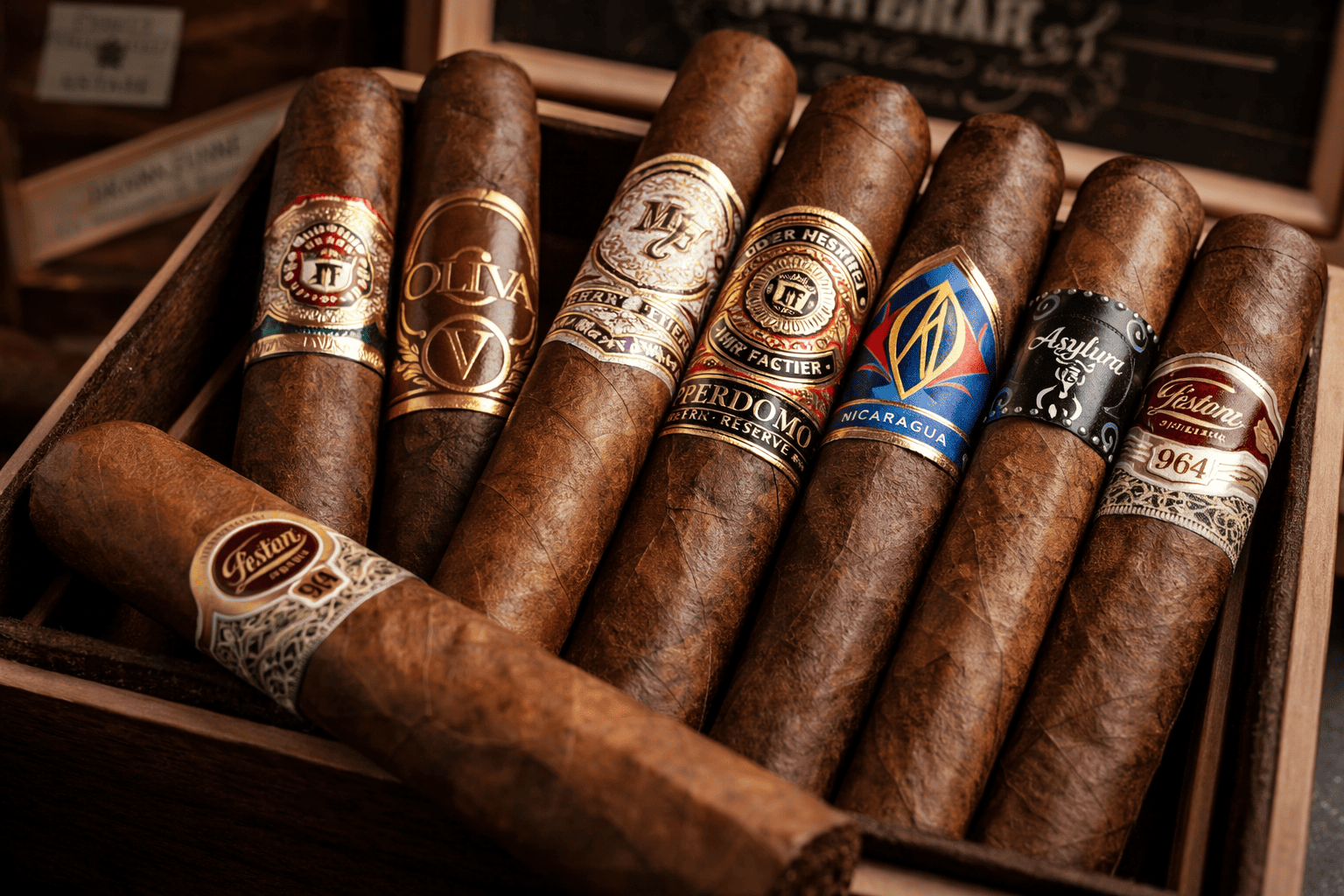
This article examines the best non Cuban cigars through the lens of construction quality, leaf provenance, flavor development, and long-term consistency. It treats cigars as agricultural artifacts and cultural objects, not status symbols. The goal is clarity: understanding why certain cigars earn enduring reputations, how they perform across tasting phases, and what practical knowledge allows enthusiasts to select and preserve them — whether enjoying them at home or navigating traveling with cigars airline rules and customs rules for cigars abroad.
Why Non Cuban Cigars Rose To Dominance
Non Cuban cigars occupy most of the global premium cigar market. This position did not emerge by chance. After the U.S. embargo on Cuban goods in the early 1960s, displaced Cuban growers and rollers relocated to Nicaragua, the Dominican Republic, and Honduras, bringing seed stock, fermentation knowledge, and blending frameworks. Over time, these regions invested in soil science, seed hybridization, and curing infrastructure.
Nicaragua now stands at the center of this evolution. Its volcanic soil composition, particularly in Estelí, Jalapa, and Condega, produces tobaccos with high mineral content, dense oils, and predictable combustion. These traits allow blenders to design cigars with layered transitions rather than linear strength.
The Dominican Republic contributes balance and aromatic finesse, often anchoring blends with refined fillers and elastic binders. Honduras supplies darker, heavier leaf with pronounced earth and mineral depth. The best non Cuban cigars integrate these components with surgical intent.
Criteria Used To Evaluate The Best Non Cuban Cigars
Assessment here follows technical and sensory standards applied consistently across brands and price tiers.
Construction Metrics
- Draw resistance measured by airflow consistency
- Wrapper elasticity and seam integrity
- Burn line stability across multiple samples
- Ash structure and density
Flavor Development
- Clarity at ignition
- Transitional structure through first, middle, and final phases
- Balance between sweetness, bitterness, acidity, and mineral tones
- Absence of ammonia or combustion harshness
Consistency
- Repeatability across boxes and production years
- Stability after aging under standard humidor conditions
Practical Longevity
- Shelf life without structural degradation
- Resilience during packing cigars for travel and climate variation
Canonical Non Cuban Cigars And Their Profiles
Padrón 1964 Anniversary Series (Nicaragua)
The Padrón 1964 line remains a benchmark for construction discipline and flavor stability. All tobaccos are aged a minimum of four years, and the blend composition rarely shifts. The wrapper is sun-grown Nicaraguan leaf with a matte texture and pronounced oil concentration.
Flavor progression:
Initial ignition presents cocoa powder, roasted espresso, and toasted almond. The midsection introduces black cherry skin and a restrained black pepper note carried through retrohale. The final phase compresses into bittersweet chocolate, roasted walnut, and mineral-driven dryness without bitterness.
Combustion metrics across samples show minimal correction required. This reliability explains why the cigar performs well even when shipping cigars internationally or encountering mild humidity fluctuation.
Arturo Fuente OpusX (Dominican Republic)
OpusX reshaped assumptions about Dominican-grown wrapper tobacco. Developed on the Fuente family’s Chateau de la Fuente estate, the wrapper is Dominican puro leaf grown under controlled shade conditions.
Flavor progression:
Early flavors include cedar resin, nutmeg, and white pepper. The middle phase develops cinnamon bark, toasted grain, and citrus peel acidity. The final segment leans toward dry oak, leather, and restrained clove.
OpusX cigars require careful humidity management; excessive moisture mutes aromatic complexity. Knowledge of how to carry humidor on plane becomes relevant for travelers seeking consistency.
My Father Le Bijou 1922 (Nicaragua)
Blended by José “Pepín” García, Le Bijou integrates Nicaraguan filler and binder with a Habano Oscuro wrapper grown in Ecuador.
Flavor progression:
The opening phase delivers dark chocolate, mesquite smoke, and red pepper. Midway, molasses sweetness and charred oak emerge, followed by mineral saltiness. The closing phase sharpens with espresso bean and black tea tannin.
This cigar demonstrates how Ecuadorian wrapper elasticity improves burn performance under varied environments, relevant for duty-free cigar buying tips and extended travel.
Liga Privada No. 9 (Nicaragua / United States Blending)
Produced by Drew Estate, Liga Privada No. 9 is defined by long fermentation cycles and limited wrapper availability.
Flavor progression:
Initial notes of bittersweet cocoa and incense evolve into black coffee, damp earth, and toasted bread crust. The final third introduces licorice root and charcoal mineral tones.
This cigar benefits from rest after transit, making packing cigars for travel with humidity control non-negotiable.
Davidoff Nicaragua Series (Nicaragua / Dominican Republic)
Davidoff’s Nicaragua series challenged the perception that the brand favored only mild profiles. Blended with Nicaraguan fillers and binder, wrapped in Nicaraguan Habano Rosado.
Flavor progression:
Starts with roasted cashew, cedar, and cream. Midway development includes red apple skin acidity and white pepper. The final phase tightens into dry cocoa and mineral salt.
Construction precision makes this cigar resilient under TSA cigar restrictions inspections and routine airport handling.
Boutique Producers And The Rise Of Precision Blending
Smaller producers now rival established houses in technical execution. Brands such as Foundation Cigar Company, Illusione, and Crowned Heads emphasize traceable farms, limited batch sizes, and fermentation transparency.
These cigars often display sharper transitions and narrower flavor bandwidths, rewarding slow smoking cadence. They appeal to enthusiasts who treat cigars as sensory study rather than background indulgence.
Aging Potential And Storage Considerations
Non Cuban cigars often age more predictably than Cuban production due to lower variability in fermentation and moisture content at release.
Aging Observations
- Pepper intensity softens after 12–24 months
- Sweetness and nut tones become more integrated
- Ammonia presence diminishes rapidly compared to Cuban cigars
For travelers, understanding customs rules for cigars and climate control is central to protecting aged stock. Temperature spikes during transit accelerate volatile oil loss.
Travel, Regulation, And Practical Ownership
Cigar ownership today intersects with mobility. Collectors and enthusiasts frequently transport cigars across borders, making regulatory literacy essential.
Air Travel And Security
Most airlines permit cigars in carry-on and checked luggage. TSA cigar restrictions allow cigars but scrutinize accessories such as torch lighters and large cutters. Carrying cigars in cabin luggage reduces exposure to temperature fluctuation.
Understanding how to carry humidor on plane includes selecting crush-resistant cases and humidity packs calibrated between 65–69 percent.
Customs And Import Limits
Cigar laws by country vary widely. Many jurisdictions impose quantity limits or require declaration beyond certain thresholds. Failure to comply risks confiscation or duty penalties.
International Shipping
Shipping cigars internationally introduces further complexity. Temperature control, customs brokerage, and carrier policies vary. Many premium cigars suffer degradation during uncontrolled shipping, reinforcing the value of personal transport.
Smoking Regulations Abroad
Even cigar-friendly travel destinations impose local smoking regulations abroad. Lounges, private clubs, and designated hotel areas often provide legal smoking environments. Public smoking bans apply in many urban centers regardless of tobacco type.
Flavor Education And Informed Selection
Selecting the best non Cuban cigars benefits from disciplined tasting. Flavor notes should be recorded over multiple samples rather than single impressions. Differences between wrapper primings, ring gauges, and production years often exceed brand-to-brand variation.
A neutral palate, controlled humidity, and slow cadence reveal complexity more reliably than chasing strength metrics.
Final Considerations
Non Cuban cigars represent a mature, technically refined segment shaped by agricultural science, disciplined fermentation, and blending intent. Their rise reflects structural advantages in consistency, accessibility, and innovation rather than novelty. From legacy producers to boutique houses, the best examples reward patience, proper storage, and informed handling — whether aging in a dedicated humidor or navigating airline cabins, customs checkpoints, and foreign smoking laws.
For those who value precision, repeatability, and sensory depth, non Cuban cigars offer a broad, evolving canon. Mastery lies not in accumulation but in understanding how leaf, craft, and context converge — and how thoughtful stewardship preserves that convergence wherever the journey leads.