
Pairing a cigar is an exercise in balancing texture, aroma, and intensity. The right companion—drink, food, or environment—does not drown the tobacco. It clarifies, frames, and highlights notes that might otherwise remain latent. This article presents a systematic approach to pairing, grounded in sensory logic, supported by examples favored by industry professionals, and interwoven with practical technique notes that influence how a pairing performs in real time.
Principles of Successful Pairing
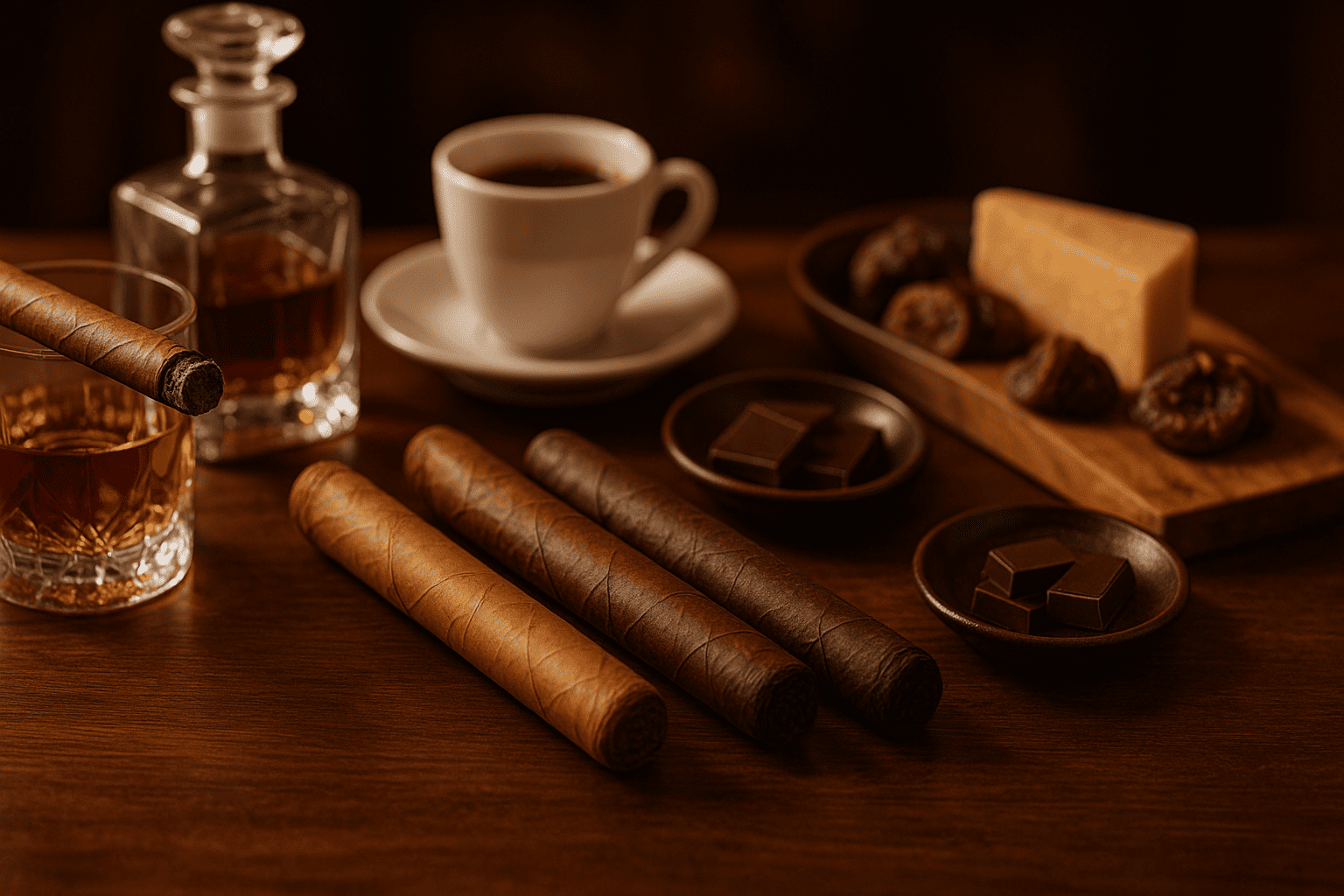
A working rule is to match body with body. A full-bodied cigar asks for an equally substantial companion; a light cigar prefers subtle partners. Beyond body, look for complementary or contrasting flavor families: sweet with salty can create pleasant counterpoint; bitter with chocolate can accentuate cocoa notes; oak and vanilla in a spirit can echo tobacco’s cedar and cream.
“Truly great pairings come when complex flavors within a cigar and a spirit create synergy — that is, attributes that were not evident come to the forefront.”
Intensity alignment and palate management matter. Smoking technique affects perception: a steady cadence of puffs keeps temperature stable and minimizes harshness. The following practical points should be part of any pairing plan.
- Start with the cigar’s construction and predicted burn behavior.
- Use best cigar cutting methods to ensure an even draw; see general cutter guidance such as Cigar Aficionado’s resources on cutters and cutting. Cigar Aficionado — Cigar Cutters.
- Begin with how to toast a cigar before applying flame; toasting encourages an even initial burn and affects how volatile aromatics open. Practical toasting and lighting techniques are explained in Cigar Aficionado’s lighting guides. Cigar Aficionado — How To Light A Cigar.
- Learn how to light a cigar evenly: rotate the foot above the flame and build a uniform cherry before taking sustained draws; see step-by-step methods in lighting guides. Cigar Aficionado — Cutting and Lighting.
Spirits: Whiskey, Bourbon, Scotch, Cognac, and Rum
Spirits are the most common partners. Selection follows the cigar’s profile.
- Bourbon and American whiskey. Sweet, caramel, and vanilla notes match well with chocolate, nut, and earthy tobacco layers. A sweeter spirit will often tame a peppery edge; many blenders and retailers recommend bourbon for medium-to-full cigars.
- Scotch. Peaty, smoky Scotches pair naturally with tobaccos that carry wood and leather notes. Producers advise selecting a Scotch whose peat level mirrors the cigar’s smoke intensity; Davidoff’s pairing guidance recommends finding flavour profiles that “complement each other without one overpowering the other.” Davidoff — Whisky and Cigar Pairings.
- Cognac and brandy. Fruit-forward and viscous, Cognacs create a fruit-and-wood interplay with many medium- to full-bodied cigars.
- Rum. Historical and geographic affinity recommends rum for Caribbean tobaccos; sugar-derived sweetness often lifts chocolate and toffee notes.
Practical pairing tip: taste the spirit first in small sips, wait a minute, then take a measured cigar draw. Adopt proper cigar draw technique—relaxed, mouth-focused pulls—so the beverage and tobacco interact in the mouth rather than competing by volume.
Coffee, Tea, and Non-Alcoholic Pairings
Coffee is a canonical partner. As reported in industry interviews, many makers prefer coffee with cigars; for example, Nick Melillo is quoted saying: “My favorite drink to have with a cigar is coffee. Rich, tasty, flavor-country coffee.” Cigar Aficionado — My Favorite Drink.
Tea offers variety: strong black teas suit heavier sticks; lighter greens or oolongs harmonize with mild cigars. Espresso highlights bitter and chocolate facets, which can be an elegant counterpoint to leathery tobacco notes.
Non-alcoholic match strategy: match roast intensity (coffee) or tannic weight (tea) to the cigar’s strength. Use slow smoking for flavor: slow cadence allows the coffee’s aftertaste to mingle without being masked by hot smoke.
Beer, Chocolate, and Food Pairings
Craft beer presents an expansive palette. Malty amber ales pair with caramel and cocoa notes; imperial stouts amplify dark chocolate and espresso impressions. The pairing goal is balance: the beer’s carbonation can refresh the palate between draws.
Chocolate functions like a flavor bridge. A medium to dark chocolate can elevate cocoa and roasted notes in the cigar. Cheese, particularly aged hard varieties, interacts with tobacco fat and can emphasize savory dimensions.
Food pairings work best when the bite is small and left on the palate for a moment before the draw. Avoid heavy sauces that obscure subtler tobacco layers.
Tasting Phases and Pairing Dynamics
Pairing is not static over a smoke. A cigar unfolds in thirds. Anticipate how companions will behave across those phases.
- First third. Aromatics dominate: floral, cereal, or light spice. Begin with lighter partners—black coffee, fino sherry, or light beer—so the initial subtleties register.
- Second third. Complexity emerges: leather, cedar, pepper. Increase the partner’s body if needed. Move to bourbon, aged rum, or a fuller porter.
- Final third. Concentration can intensify bitterness and char. Counterbalance with sweeter spirits or a chocolate nibble to restore nuance.
Apply cigar puffing rhythm tips to preserve balance: measured puffs every 30–60 seconds prevent overheating, preserve volatile aromatics, and reduce acridity. Maintaining a consistent rhythm also helps maintain cigar burn line and reduces the need for corrective relighting.
Technique That Affects Pairing Outcomes
Technique influences what the palate registers.
- Best cigar cutting methods. Guillotine cuts for most cigars; V-cuts for concentrated flavor; punch for tight, focused draws. Guides and demonstrations of cutters are widely available. Cigar Aficionado — Punch Cutters.
- How to toast a cigar and how to light a cigar evenly. Toasting the foot warms oils and opens aromatics. Recommended sequences—toast, then finish lighting while rotating—are outlined in lighting guides. Cigar Aficionado — How To Light A Cigar.
- Proper cigar draw technique and smoking a cigar without inhaling. Draw into the mouth, note flavors, then exhale. A mouth-only tasting protects the lungs and emphasizes retronasal olfaction.
- Retrohale method explained. Retrohaling routes smoke through the nasal cavity to access olfactory receptors; practical how-to guides explain stepwise practice and cautions. Holts — How to Retrohale.
- Maintaining cigar burn line and cigar ash handling tips. Let ash extend to a stable length; tapping too often disturbs the burn. Rotate the cigar subtly and touch up small seams with a quick flame rather than aggressive relighting.
Example Pairing Maps
These pairings are starting points informed by maker and editorial recommendations.
- Mild cigar (e.g., Connecticut shade): coffee (medium roast), light lager, Darjeeling tea.
- Medium-bodied cigar: single malt without heavy peat, amber ale, medium roast coffee. Davidoff staff suggest matching flavour profiles so “one does not overpower the other.” Davidoff — Whisky and Cigar Pairings.
- Full-bodied cigar: aged rum, bourbon, imperial stout, dark chocolate.
Market Context and Cultural Notes
Cigar culture supports pairing as an artisanal practice. Retail and brand programming increasingly present curated pairing events. Market analyses estimate significant commercial scale: the global cigar and cigarillos market size was estimated at USD 54.79 billion in 2024 (Grand View Research), and the global premium cigar and cigarillos segment was valued at approximately USD 12,087.5 million in 2024. These market figures illustrate sufficient commercial scale to sustain pairing-focused experiences in lounges and hospitality settings. Grand View Research — Cigar & Cigarillos Market. Grand View Research — Premium Cigar Statistics.
Pairing education is both a commercial entry point and a sensory education tool. Tasting rooms, cigar lounges, and manufacturer pairings help new smokers learn technique and restraint in controlled settings. Industry voices often recommend modest routines: make the cut, toast gently, light evenly, hold a steady cigar puffing rhythm, and taste deliberately.
Practical Session Plan for a Pairing Tasting
- Select three cigars of ascending body.
- Prepare three companion beverages with ascending intensity (e.g., coffee → bourbon → aged rum).
- For each cigar: apply best cigar cutting methods, how to toast a cigar, then how to light a cigar evenly. Record first impressions. Lighting guide.
- Use proper cigar draw technique and practice the retrohale method explained with small retrohales. Note changes as the cigar moves through its thirds. Retrohale guide.
- Observe maintaining cigar burn line and follow cigar ash handling tips to keep combustion stable. Adjust pairings if one partner overwhelms the other.
Final Considerations
Pairing is a craft practice: technical discipline and attentive tasting lead to repeatable results. The aim is not to conceal tobacco but to reveal subtleties that other senses might miss. Industry voices recommend patience and modesty in technique; many established makers and editors endorse coffee as a natural companion. For example, Cigar Aficionado’s industry roundups include makers’ favorite drinks and note coffee as a frequent choice. Cigar Aficionado — My Favorite Drink.
The landscape of pairings will continue to expand with new craft spirits, specialty coffees, and curated tasting events. For those who adopt the skills—clean cutting, proper toasting and lighting, controlled draw, measured smoking a cigar without inhaling, and disciplined slow smoking for flavor—pairing becomes a reliable way to read a cigar more fully. Market analysis supports a broad consumer base for experiential pairing offerings, which supports continued innovation in pairings and education. Grand View Research.
For practitioners, the work is practical: refine technique, match intensity, and allow each third of the cigar its own companion. That procedure creates the best conditions for revealing the cigar’s architecture and for finding partners that illuminate rather than obscure.