
Tony Soprano’s image includes a compact constellation of objects: a leather chair, a glass with an amber spirit, a house on a New Jersey hill, and, frequently, a thick cigar. The smoke is more than aesthetic. It functions as a prop, a pacing device, and a marker of status. This text examines the literal and symbolic choices behind the cigars shown in The Sopranos, identifies the makes and blends associated with the character and the actor who played him, and offers practical notes on how a serious smoker approaches a premium cigar—from how the CAO Sopranos tie-in to practical techniques such as how to light a cigar evenly and the retrohale method explained—so the reader understands both the on-screen image and the off-screen material reality of those sticks.
The Historical Record: Brands, Product Ties, and On-Set Practice
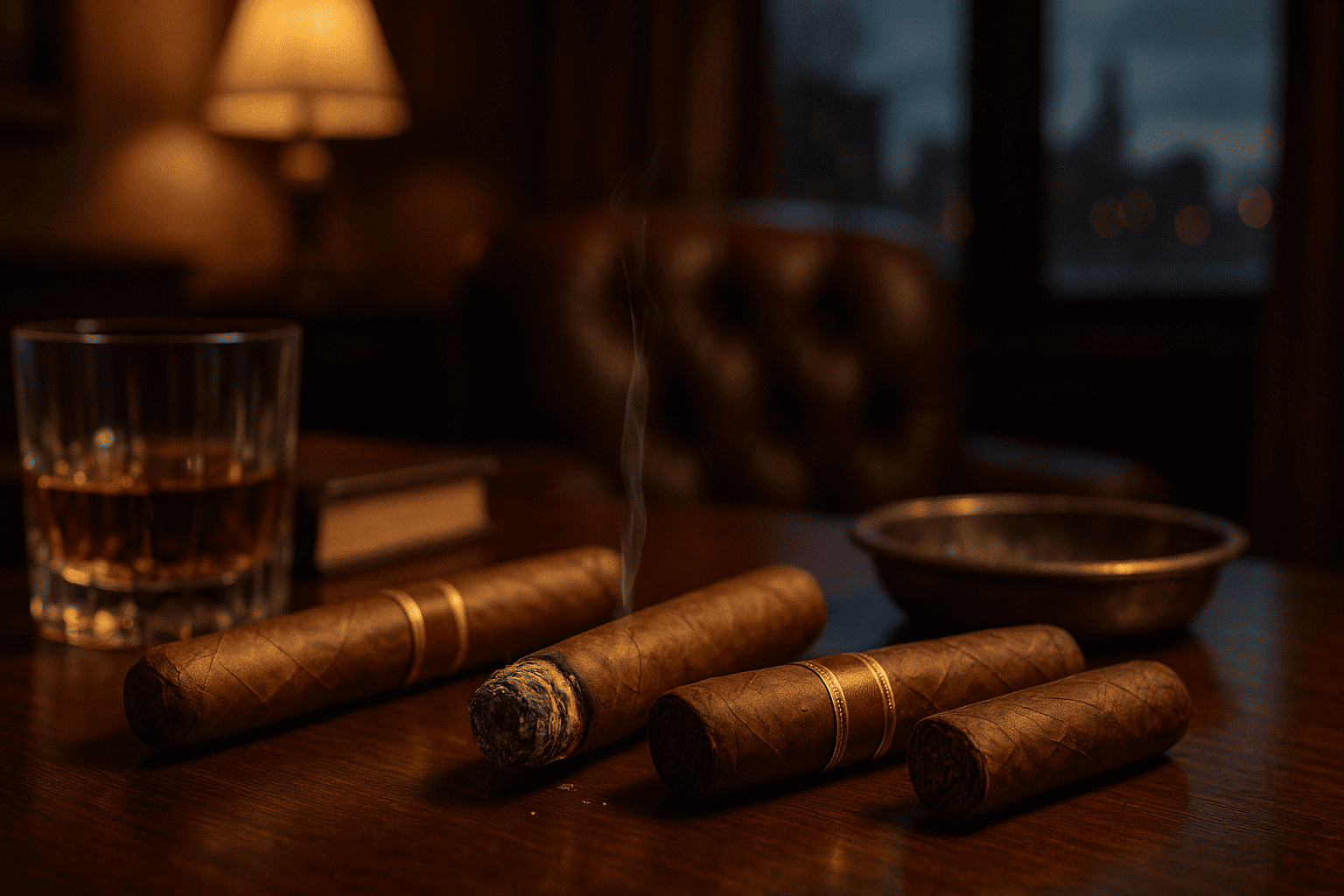
The production maintained a curated cigar wardrobe. A major cigar manufacturer, CAO, collaborated with the series and released a Sopranos-branded line. The CAO “Sopranos” release is an oversized limited-edition cigar marketed with three sizes named to echo organized-crime ranks; technical details for that release (construction and vitolas) are described by Cigar Aficionado. Cigar Aficionado: The Sopranos Join With C.A.O. to Make a Cigar.
James Gandolfini, the actor behind Tony, was a documented cigar enthusiast off camera. He said, “I very much love cigars. I’ll smoke maybe three or four a week. I’ll sit in the same place and not move for 45 minutes.” That remark frames cigars as a temporal practice: a sustained act that occupies attention and shapes the rhythm of a scene or an evening. Cigar Aficionado: The Sopranos: Mob Rule (2001).
On-screen, the show’s prop use was deliberate. Cast members and production staff have described cigars as symbolic, not incidental: “It’s more than a prop. Its symbolism. People who smoke cigarettes are nervous. A cigar is a personal thing. An extension of the character.” Observers and trade coverage confirm that each instance of a cigar on screen was selected with purpose. Additional trade and industry reporting documents the licensed CAO release and its later discontinuation. HalfWheel: CAO Discontinues The Sopranos Edition.
A Short Typology: Brands and Why They Fit Tony
- Montecristo (Cuban) — A classic Cuban profile and common gift on the show. It matches scenes where Tony offers prestige or recompense. The Montecristo brand carries cultural weight in the global cigar lexicon; giving a box signals generosity and status.
- Partagas (Cuban look) — Dark, red band; robust and earthy when authentic. Visual cues in several shots match Partagas Serie D styles. The visual heft of a Partagas-style cigar suits the character’s public persona.
- Macanudo — A lighter, milder profile, seen in casual moments. Its more neutral aroma reads as hospitable rather than overtly aggressive.
- CAO (series tie-in and actor preference) — CAO manufactured a Sopranos-branded series and the actor James Gandolfini had affections for CAO lines. The brand’s presence on set and in the marketplace is both a narrative and a commercial artifact; trade coverage and boutique reporting note this connection. Refined Traditions: What Cigars Did Tony Soprano Smoke?
Sensory and Structural Analysis: What a Stick Says on Sight and in Smoke
A cigar reports its construction before ignition. A firm binder, a smooth, slightly oily wrapper, and a clean foot indicate competent rolling and predictable burn. In the show, Tony’s cigars are frequently substantial: thick ring gauges that communicate durability. Taste profiles correspond: Cuban Montecristos suggest cedar, cream, and an undercurrent of spice; a Partagas-style cigar emphasizes leather, earth, and pepper. Non-Cuban CAO and Macanudo lines tend toward sweeter, more accessible profiles—cocoa or nutty notes—depending on the blend.
Construction matters for both flavor and on-screen image. A well-made cigar maintains a stable burn line and a compact ash. The observer should note ash length as an index of packing density. When the ash is flaky or the burn line tunnels, the experience shifts from tasting to maintenance.
Practical Indicators Visible in the Series (and to an Attentive Purchaser)
- Wrapper tone: oilier brown indicates Maduro or broader-leaf aging.
- Cap construction: a neat triple-cap suggests a professional roller and fewer draw problems.
- Ring gauge: large gauges in the series imply a slow smoker, someone who intends presence and duration.
These visual cues align with the program’s choice to have cigars function as an actor’s instrument for pacing.
Ritual and Method: How a Discerning Smoker Approaches the Stick
A measured ritual differentiates casual use from connoisseurship. The actor’s practice echoed real-world technique.
- How to toast a cigar: begin by toasting the foot rather than lighting it directly. Toasting warms tobacco oils and promotes an even initial burn; hold a flame away from the foot and rotate the cigar while gently heating the filler.
- Best cigar cutting methods: use the right cut for the vitola: a straight cut on a robusto or toro at the cap’s shoulder; a V-cut for those who favor concentrated flavor delivery. A sharp cutter minimizes cap tearing.
- Proper cigar draw technique: keep the draw relaxed and effortless. If the cigar resists, check the cut and avoid aggressive sucking; the aim is extraction of aroma and flavor.
- Smoking a cigar without inhaling: puffs are held in the mouth, tasted, and released; the experience is sensory rather than physiological.
- Cigar puffing rhythm tips: slow, deliberate puffs—about one every 30–60 seconds—preserve temperature and minimize harshness; this cadence supports slow smoking for flavor.
- Retrohale method explained: gently exhale a small amount of smoke through the nose to accentuate volatile flavor compounds; this requires a practiced palate and reveals complexity without increasing intake.
- Maintaining cigar burn line: rotate the cigar slightly during puffs to keep heat distribution even; a brief touch-up with a lighter can correct a seam but consistent toasting and an adequate initial light reduce interventions.
- Cigar ash handling tips: let ash grow to a modest length and allow gravity to assist removal into an ashtray; infrequent tapping preserves the burn and flavor balance.
Tasting Progression: Phases of a Session and What to Expect
Cigars typically unfold in phases. A structured tasting note standardizes observation.
- First third: immediate aromatics from wrapper oils and binder. Expect surface flavors—bread, leather, a citrus edge in some non-Cubans. Visual markers: steady smoke volume and a clean burn ring.
- Second third: a transition region where filler tobaccos contribute depth. Spices often appear and the retrohale reveals the cigar’s structure. The draw should remain consistent if construction is sound.
- Final third: intensity increases. Heat management is crucial here. Flavor may concentrate on bitter-sweet notes—espresso, dark chocolate, charred wood. Adjust puffing rhythm to keep flavors balanced until termination.
The on-screen choices—fat ring gauges and long formats—favor extended middle and final thirds, providing time for character beats, silence, and reflection.
Cultural Function: Identity, Power Signaling, and Social Choreography
The cigar’s narrative role in The Sopranos operates across registers. A cigar can be a reward, a negotiation token, or a stage prop that teaches viewers about a character’s temperament. Tony’s public smoking often punctuates decisions or transitions: before a serious conversation, following a tense scene, or as a social lubricant during small assemblages. The object anchors lines of power without explicit exposition.
Outside the fictional world, the actor’s personal practice fed into authenticity. Gandolfini’s off-screen preference for particular brands, combined with the production’s prop planning, sustained a credible material culture. The CAO product tie-in illustrates the commercial intersection between media representation and cigar industry marketing. See the CAO release details and its later status as documented in trade coverage. HalfWheel: CAO Discontinues The Sopranos Edition and Cigar Aficionado: The Sopranos Join With C.A.O. to Make a Cigar.
Practical Recommendations for Readers Who Want to Emulate the Practice Responsibly
- Use a proper cutter and learn the best cigar cutting methods before acquiring large ring-gauge sticks.
- Prioritize how to light a cigar evenly over brute force with the flame. Invest in a steady torch or a soft flame technique that supports even ignition.
- Practice proper cigar draw technique and smoking a cigar without inhaling to keep the experience sensory rather than physiological.
- Adopt a moderate cadence: cigar puffing rhythm tips help preserve flavor across all thirds.
- Learn the retrohale method explained in controlled steps; it will reveal subtleties sooner than mouth-only tasting.
- Treat ash and burn line with attention. Maintaining cigar burn line and following cigar ash handling tips are behaviors that preserve flavor and reduce relighting.
Final Considerations
The cigars associated with Tony Soprano are a mixture of cinematic symbolism and real-world product presence. On the one hand, the image relies on classical brand cues—Montecristo, Partagas, and Macanudo were visible at critical moments. On the other hand, production realities, actor preference, and a formal collaboration with CAO produced a bespoke material culture: a branded set of cigars and a commercial echo of the character. See industry coverage for the CAO release and reporting on its lifecycle. Cigar Aficionado and HalfWheel.
For a practitioner concerned with authenticity and taste, the case of Tony Soprano teaches this: brand names matter for cultural signification, but construction, ritual, and consumption technique determine the sensory reality. Attention to how to toast a cigar, how to light a cigar evenly, and proper cigar draw technique turns an on-screen image into a lived experience. The gestures one associates with authority on television—slowly rolling a lit cigar, tasting without inhaling, letting ash rest—are techniques any committed smoker can learn and practice. The difference between a prop and a genuine instrument is technical competence and respect for the object’s materiality.
Readers who wish to trace the provenance of particular on-screen sticks can use the production and trade sources cited above. Those sources document the CAO series associated with the show and James Gandolfini’s personal comments on cigar consumption. Refined Traditions, Cigar Aficionado, and HalfWheel provide further reading and verification.